
Understanding the psychology behind gambling behavior in casinos
The Thrill of Uncertainty
The psychology of gambling is deeply rooted in the concept of uncertainty, which creates a thrilling experience for players. The anticipation of winning can trigger a rush of excitement, making the act of gambling exhilarating. This is partly due to the way our brains are wired to respond to unpredictability. When players bet, the uncertainty of the outcome ignites a release of dopamine, a neurotransmitter associated with pleasure and reward, creating a feedback loop that encourages further play. If you’re curious to learn more, visit https://watchcrazytime.com/ for insights on this captivating subject.
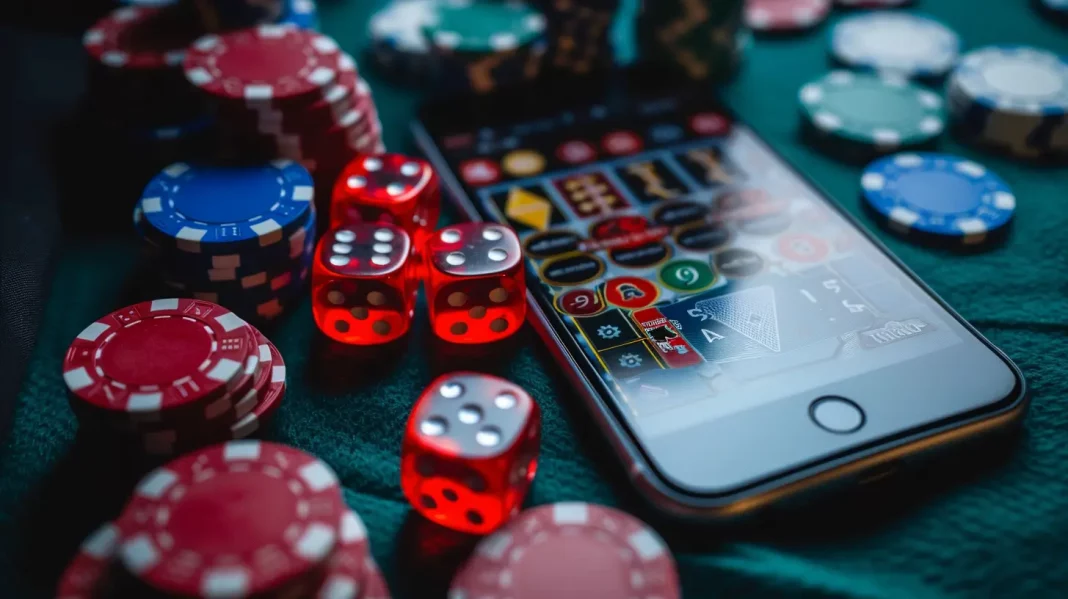
This thrill is heightened in casino environments, which are designed to enhance sensory stimulation. The sounds of slot machines, the vibrant colors, and the electric atmosphere amplify the emotional experience, leading players to lose track of time and money. The combination of risk and reward keeps players engaged, often blurring the lines between entertainment and financial loss.
Cognitive Biases and Fallacies
Gamblers are often influenced by various cognitive biases that affect their decision-making. One common cognitive bias is the illusion of control, where players believe they can influence the outcome of random games. This belief is particularly prevalent in games like poker, where skill plays a role, but the randomness of cards can lead to overconfidence. Such biases can lead to increased gambling behavior as players convince themselves they have a greater chance of winning than they statistically do.
Another significant fallacy is the gambler’s fallacy, which is the belief that past events affect future outcomes in independent random events. For instance, a player might think that a particular slot machine is « due » for a win after a series of losses. This misconception can drive players to continue gambling, hoping that their luck will eventually change, further entrenching them in a cycle of gambling.
The Role of Social Influence
Gambling behavior is also heavily influenced by social factors. The presence of other players can create a shared sense of excitement and competition, which can amplify individual gambling urges. People often feel more inclined to gamble in social settings, where group dynamics can encourage risk-taking behavior. This phenomenon is evident in casinos, where players cheer for each other, fostering a communal atmosphere that enhances the thrill of gambling.
Furthermore, social validation plays a crucial role in gambling. Players may seek approval from friends or family regarding their gambling choices, which can create a sense of legitimacy around their activities. This social pressure can contribute to continued gambling, even when individuals recognize potential negative consequences. The desire to fit in or be part of a social group can often overshadow rational decision-making.
Addiction and Behavioral Patterns
Gambling addiction is a significant psychological concern that stems from the compelling nature of gambling. For some individuals, the allure of gambling can evolve into a compulsion, characterized by an inability to control one’s gambling habits despite negative repercussions. This compulsive behavior often leads to financial issues, strained relationships, and mental health challenges. Understanding the signs of gambling addiction is crucial for addressing the problem effectively.
Behavioral patterns in gambling addiction often include chasing losses, where players continue to gamble in hopes of recouping what they have lost. This cycle can perpetuate feelings of despair and frustration, often leading to deeper psychological issues. Recognizing the complexities of gambling behavior and the potential for addiction is essential for individuals who engage in this form of entertainment and those who support them.

Conclusion and Resources
Understanding the psychology behind gambling behavior is vital for both players and those working in the gambling industry. Recognizing the psychological factors at play can lead to more informed decisions and healthier gambling habits. Additionally, awareness of cognitive biases and social influences can help individuals maintain a balanced approach to gambling.
For those interested in further exploring the complexities of gambling behavior, it’s beneficial to seek out educational resources and support networks. These platforms provide valuable insights into responsible gambling practices and can assist individuals in navigating their gambling experiences more positively. The journey toward understanding and managing gambling behavior is essential for both enjoyment and well-being.